Private label cap fabric: select the best material for quality headwear! Get a Free Quote today! Private Label Caps Fabric Guide: Choosing...
Private label cap fabric: select the best material for quality headwear! Get a Free Quote today!
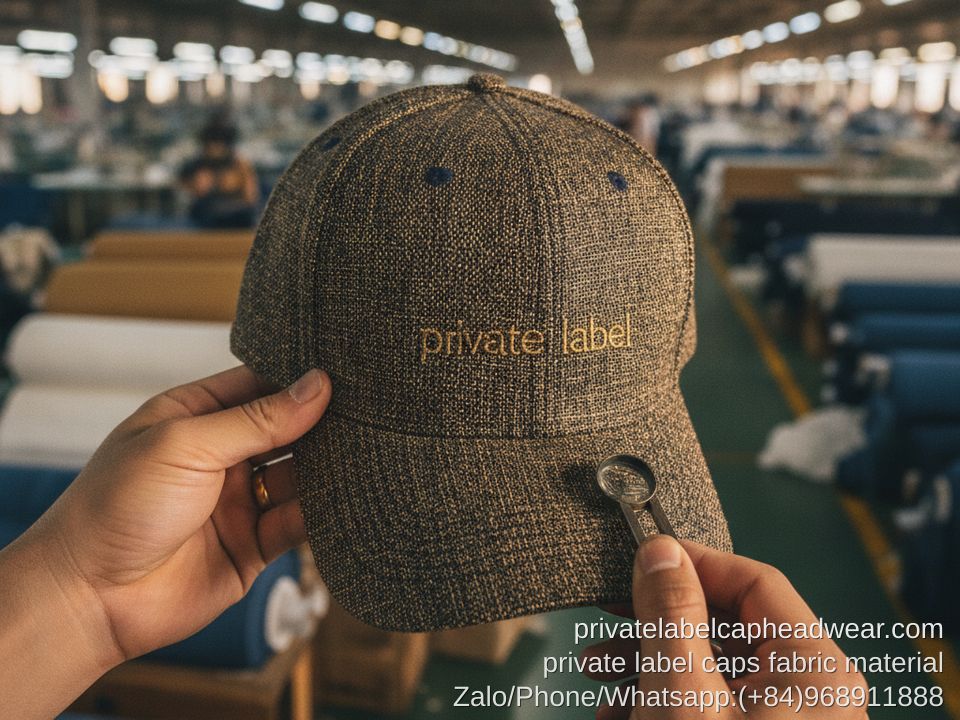
Private Label Caps Fabric Guide: Choosing the Right Material for Your Order
Selecting the optimal private label caps fabric material is a crucial step in ensuring your branded headwear meets both aesthetic and functional expectations. As a leading caps manufacturer in Vietnam, Gold Garment understands that the fabric choice significantly impacts the cap's feel, durability, breathability, and overall appeal. This guide will navigate you through the most popular cap fabrics, helping you make an informed decision for your next order.
At Private Label Cap Headwear, operated by Gold Garment based in Ho Chi Minh City, we pride ourselves on offering a diverse range of high-quality materials to suit every brand's needs. Our factory-direct pricing and worldwide shipping ensure you receive premium custom caps efficiently and affordably. Understanding the nuances of each fabric is the first step towards a successful partnership, as detailed in our Vietnam textile sourcing guide.
Understanding Common Cap Fabric Types
The world of headwear fabrics is rich and varied, with each material offering a unique set of characteristics. The right choice depends on the intended use of the cap, the desired look and feel, and the climate it will be worn in. We work with a broad spectrum of materials to cater to diverse client requirements.
Cotton Fabrics
Cotton is arguably the most popular and versatile fabric for caps. Its natural fibers offer excellent breathability, comfort, and a soft feel against the skin. Cotton is also highly durable and can be easily dyed, making it ideal for vibrant branding and intricate designs. We offer various cotton weaves, each with distinct properties.
1. Cotton Twill
Cotton twill is a tightly woven fabric characterized by its diagonal ribbing pattern. This weave makes it exceptionally strong, durable, and resistant to wrinkles. Twill caps maintain their shape well, making them a popular choice for structured baseball caps and snapbacks. Its smooth surface is excellent for embroidery and printing.
2. Cotton Canvas
Cotton canvas is a heavier, sturdier fabric than twill, known for its exceptional durability and rugged texture. It offers a more substantial feel and is often preferred for workwear-inspired caps or styles that require a robust appearance. Canvas caps are built to last and can withstand rigorous use.
3. Cotton Ripstop
Ripstop cotton is woven with a special reinforcing technique that makes it highly resistant to tearing and ripping. Interlocking threads are spaced at regular intervals, creating a subtle grid pattern. This fabric is lightweight yet incredibly strong, making it a favorite for outdoor and tactical headwear.
4. Brushed Cotton / Peach Twill
Brushed cotton or peach twill undergoes a finishing process that creates a soft, velvety texture. This gives the cap a premium, comfortable feel and a slightly muted appearance. It’s an excellent choice for brands looking to convey a sense of luxury and comfort.
Polyester Fabrics
Polyester is a synthetic fiber known for its durability, wrinkle resistance, and ability to retain color. It's often blended with cotton to enhance the fabric's performance characteristics. Polyester caps are typically lightweight, quick-drying, and resistant to stretching and shrinking.
1. Polyester Twill
Similar to cotton twill, polyester twill offers excellent structure and durability. It's often chosen for its ability to hold vibrant colors and resist fading, making it suitable for bold graphics and logos. Polyester twill is also more resistant to moisture than pure cotton.
2. Polyester Mesh (Trucker Caps)
Polyester mesh is a staple for trucker hats, providing exceptional ventilation and breathability. The open weave allows air to circulate freely, keeping the wearer cool. This fabric is lightweight and dries quickly, ideal for activewear and warm-weather use.
Wool and Wool Blend Caps
Wool and its blends offer a classic, sophisticated look and feel. Wool is naturally insulating, making it a great choice for cooler weather. It also has a natural resistance to water and odor. Wool blend caps often incorporate synthetic fibers to improve durability and reduce cost while retaining the premium aesthetic of wool.
1. Wool Blends
A common blend is wool with acrylic or polyester. These combinations offer the warmth and texture of wool with enhanced durability and shape retention. Wool blend caps are perfect for premium casual wear and can be styled for both sporty and sophisticated looks. As a leading wool blend cap manufacturer, we ensure a luxurious finish.
Other Popular Materials
Beyond the core cotton and polyester options, several other materials are frequently used in private label cap manufacturing, each bringing unique benefits:
- Nylon: Known for its strength, water resistance, and lightweight properties. Often used in performance and outdoor caps.
- Linen: A breathable, natural fiber that offers a relaxed, summery feel. It's lightweight and has a unique texture.
- Felt: Primarily used for decorative elements or specific styles like fedoras or beanies, offering a soft, plush texture.
Cotton vs. Polyester Cap: Key Differences
Understanding the fundamental differences between cotton vs. polyester cap materials is key to selecting the right fabric for your brand. Cotton is a natural fiber, prized for its softness, breathability, and hypoallergenic qualities. It's comfortable and feels good against the skin, making it ideal for everyday wear. However, cotton can absorb moisture and take longer to dry.
Polyester, on the other hand, is a synthetic fiber that excels in durability, wrinkle resistance, and colorfastness. It wicks moisture away from the skin and dries quickly, making it a superior choice for activewear and humid conditions. While it may not be as soft as cotton initially, modern polyester blends can offer excellent comfort. Many brands opt for blends to leverage the best of both worlds.
Factors to Consider When Choosing Your Fabric
When partnering with a private label caps fabric material supplier, several factors should guide your selection process. Your decision will ultimately shape the wearer's experience and the perceived quality of your brand.
Intended Use and Climate
Consider where and when your caps will be worn. For hot climates or active pursuits, breathable and quick-drying fabrics like polyester mesh or lightweight cotton blends are ideal. For cooler weather or a more formal look, wool blends or heavier cotton twills might be more appropriate. Understanding the purpose helps narrow down the best cap fabric types.
Durability and Longevity
If your caps are intended for frequent use or demanding environments, opt for durable materials like cotton twill, canvas, or robust polyester blends. These fabrics are designed to withstand wear and tear, ensuring your brand remains visible for longer. For a comprehensive overview of our manufacturing capabilities, explore our guide on How Custom private label caps Are Made: Step-by-Step Manufacturing Process.
Aesthetics and Branding
The fabric's texture, drape, and how well it holds color and prints will significantly impact your brand's visual identity. Cotton offers a classic, matte finish that's excellent for embroidery and screen printing. Polyester can achieve brighter, more vibrant prints and often holds its color longer. If you're aiming for a specific look, like a vintage feel or a modern athletic style, the fabric choice is paramount. Learn more about the various Cap Types Explained: Baseball, Snapback, Trucker, Bucket & More to match with your fabric.
Comfort and Feel
The tactile experience of the cap is vital for customer satisfaction. Soft cottons, brushed finishes, and well-chosen blends provide a comfortable feel that users will appreciate. A comfortable cap is more likely to be worn repeatedly, increasing brand exposure.
Cost and Budget
Different fabrics come with varying price points. While premium materials like fine wool blends may be more expensive, they can justify a higher retail price. For budget-conscious projects, standard cotton twill or polyester blends offer excellent value without compromising on quality. Our factory-direct pricing ensures you get the best value, regardless of your material choice, and our Minimum Order Quantity for private label caps: What Every Brand Should Know is set at a competitive 100 pcs/style.
Working with Private Label Cap Headwear (Gold Garment)
At Private Label Cap Headwear, we are committed to providing our clients with the highest quality custom caps. Our facility in Ho Chi Minh City, Vietnam, is equipped to handle diverse fabric requirements, from classic cottons to performance polyesters and premium wool blends. We offer a streamlined process from design to delivery, ensuring your vision comes to life.
Our team of experts can guide you through the fabric selection process, explaining the pros and cons of each material in relation to your specific project goals. We understand the importance of detail, whether you're looking for a simple embroidered logo on a cotton cap or a complex design on a performance fabric. We have extensive experience in producing headwear for various markets, as demonstrated by a real example from custom cap factory Vietnam Gold Garment.
As a trusted manufacturer, we ensure that every cap produced meets stringent quality standards. We offer both OEM and private label options, allowing brands to fully customize their headwear. For a deeper dive into these models, consult our guide on OEM vs Private Label private label caps Manufacturing: Which Model Fits Your Brand?. Beyond caps, many brands also partner with a Vietnam hoodie manufacturer for their apparel needs, and we can facilitate such collaborations.
Frequently Asked Questions
Q: Can I mix different fabrics for different parts of the cap?
A: Yes, it is possible to mix fabrics. For example, many trucker caps feature a cotton front panel with a polyester mesh back. This allows for a combination of branding opportunities and ventilation. Our manufacturing process can accommodate such custom designs.
Q: How do I choose between cotton and polyester for a sports cap?
A: For active sports, polyester or polyester blends are generally preferred due to their moisture-wicking properties and quick-drying capabilities, which help keep the wearer comfortable. Cotton can become heavy and uncomfortable when wet. However, some athletes prefer the feel of cotton for certain activities.
Q: Are wool blend caps suitable for all seasons?
A: Wool blend caps are best suited for cooler seasons due to wool's natural insulating properties. While they can offer some warmth in milder weather, they may be too warm for very hot climates. For year-round use, consider lighter fabrics like cotton twill or performance polyesters.
Partner with Private Label Cap Headwear for expert guidance in selecting the perfect private label caps fabric material for your next order.
📩 Request a Free Quote — Response Within 5 Minutes
🌎 Website: privatelabelcapheadwear.com
Factory-direct pricing · MOQ from 100 pcs/style · Sample development · Worldwide shipping


